
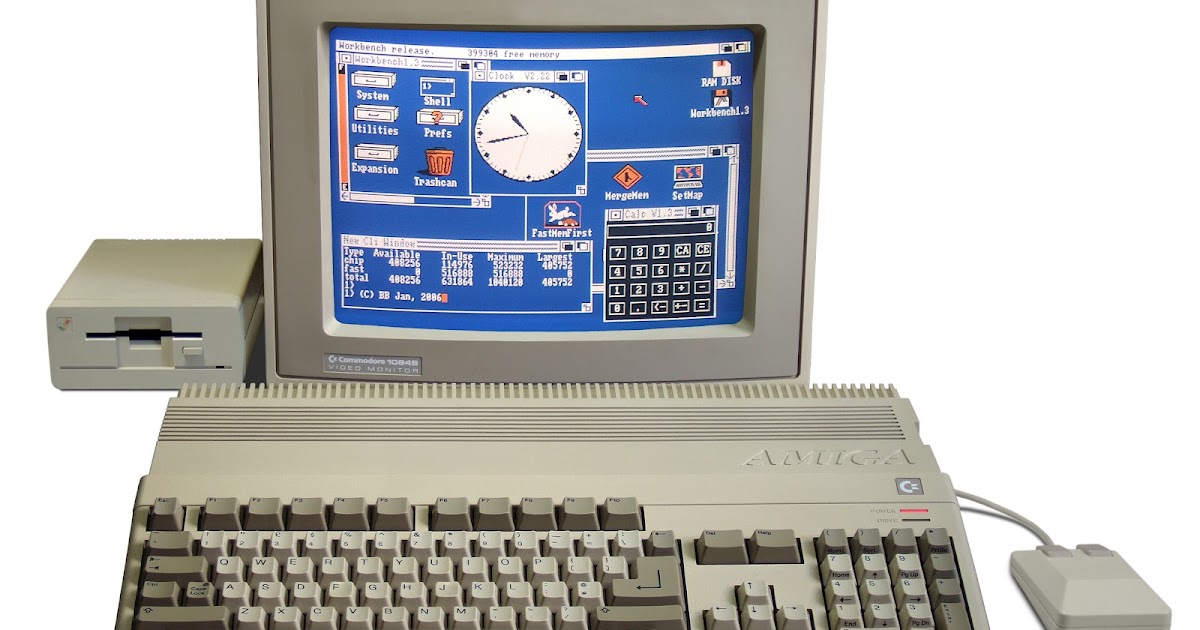
The Commodore Amiga’s influence on European techno and hardcore music scenes
 The article explores the cultural and technological impact of the Commodore Amiga computer on the European techno, rave, and hardcore music scenes during the late 1980s and 1990s. It highlights how the Amiga, despite being less famous than the Commodore 64, became a key creative tool due to its advanced multimedia capabilities for its time, including high-color graphics, smooth animation features, and particularly its innovative audio system. The custom sound chip, Paula, allowed playback of sampled audio across four channels, enabling producers to manipulate real-world sounds in ways that were both affordable and flexible compared to professional studio equipment.
The text explains that this accessibility made the Amiga especially attractive to underground musicians in Europe, particularly in the UK, Germany, and the Netherlands, where early acid house, techno, breakbeat, and later jungle and gabber scenes were emerging. Artists and groups such as Nasenbluten, Hardsequencer, Christoph de Babalon, and labels like Bloody Fist Records are mentioned as examples of creators who either used or were strongly associated with Amiga-based production. The machine’s limitations, such as low sample quality and only four audio channels, were often bypassed through creative sampling techniques and software hacks, contributing to a distinctive “lo-fi” sound that became part of the genre’s identity.
The article also discusses how the Amiga’s role in music production was sometimes underreported, as some producers preferred not to disclose its use to maintain a more professional image. Despite this, Amiga-produced tracks occasionally reached mainstream audiences and were frequently played in major rave events across Europe. Ultimately, the piece argues that the Amiga was not just a gaming or home computer but a foundational tool that helped shape the sound and development of European hardcore techno culture.