
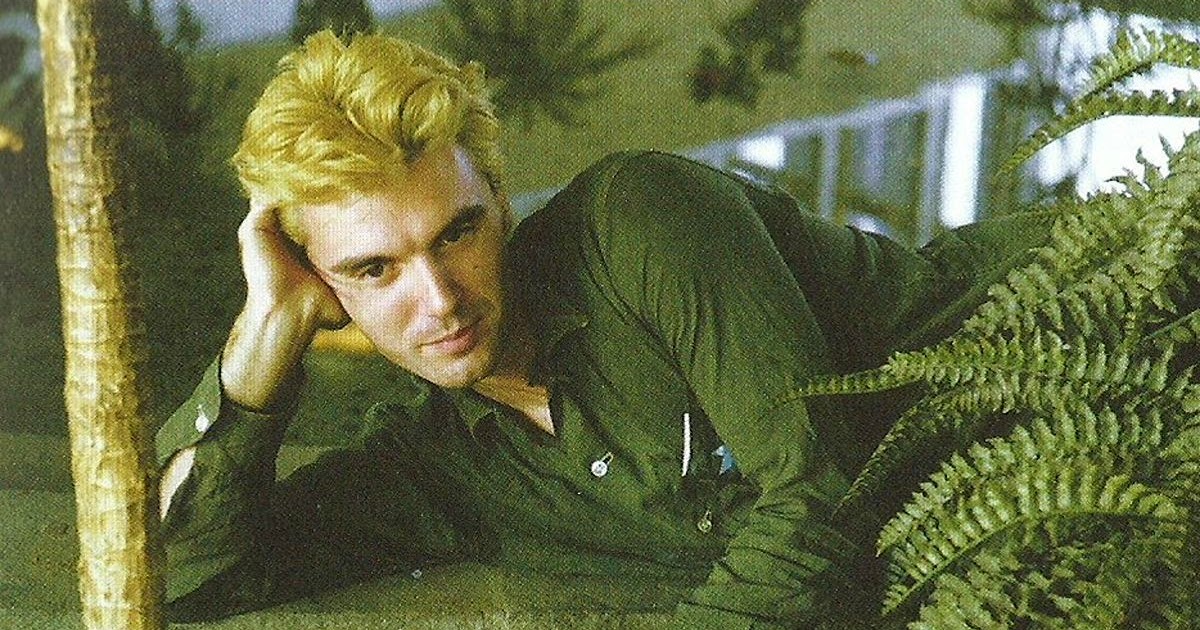
David Byrne in the 1970s: Early Career and Artistic Vision
 David Byrne in the 1970s emerged as an eccentric and innovative frontman of the band Talking Heads, shaping the New York new wave and punk scene. Born in 1952, Byrne was in his early-to-mid 20s during this period and had recently graduated from the Rhode Island School of Design, where he met future bandmates Chris Frantz and Tina Weymouth. Talking Heads formed in 1975 and gained recognition performing at clubs like CBGB, with Jerry Harrison joining in 1977. Their debut album, Talking Heads: 77, featured the iconic song “Psycho Killer,” followed by albums that blended post-punk minimalism, funk, and avant-garde art-school influences. Byrne’s personal style, with preppy shirts and slacks, contrasted with the raw punk scene, while his twitchy, wide-eyed movements reflected the nervous intensity of his music. Viewing songs as conceptual performances, Byrne explored themes from the sensation of breathing to urban design, demonstrating his curiosity about sociology, cybernetics, and acoustics. The financial struggles of 1970s New York allowed affordable loft spaces for artists, giving Byrne and his band the freedom to experiment and develop their distinct sound, establishing him as one of the most original and influential musical and artistic figures of the decade.