
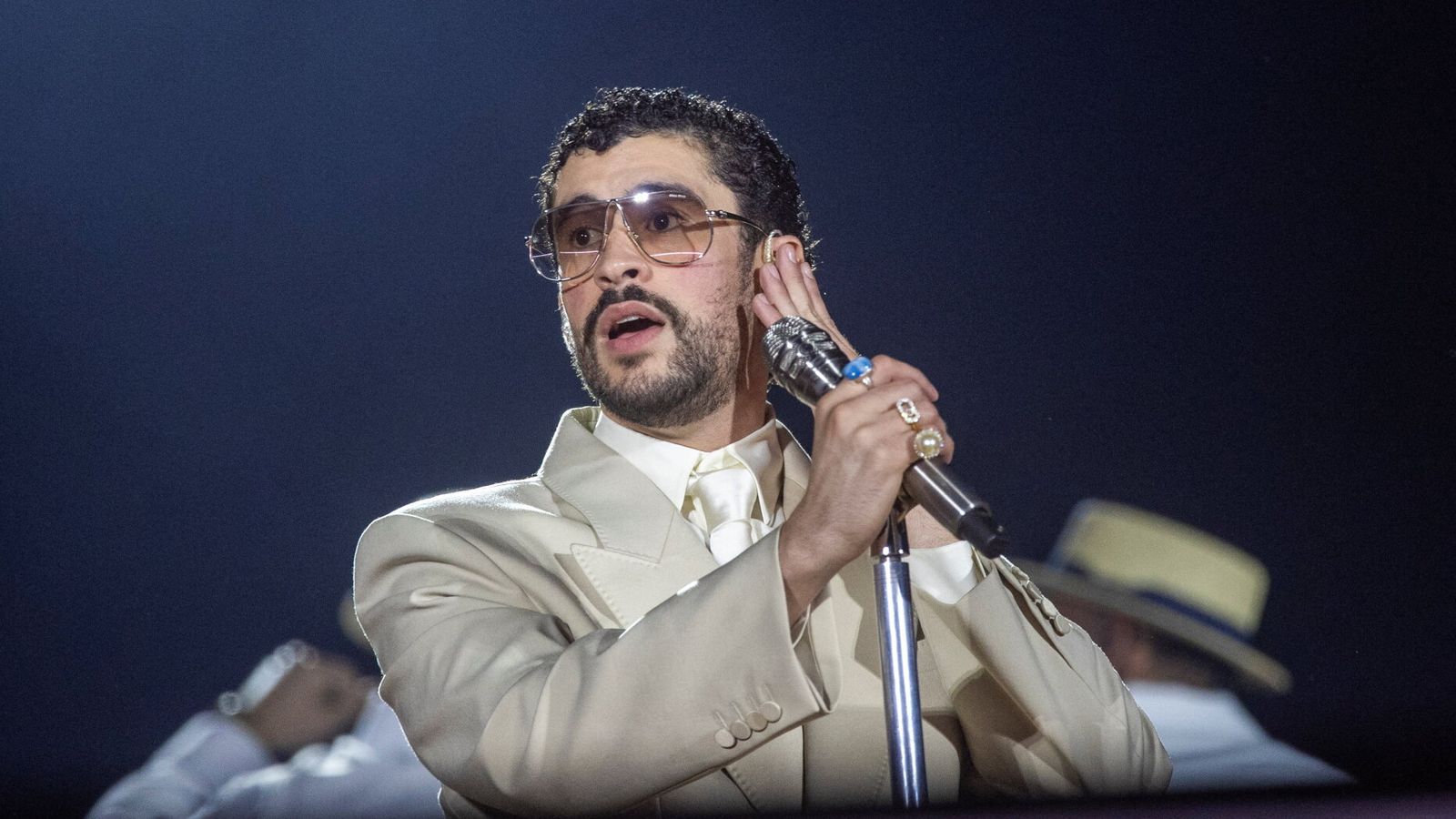
Bad Bunny’s Super Bowl Halftime Show Sparks Political Debate and Cultural Discussion
Bad Bunny’s selection as the Super Bowl LX halftime performer has generated intense debate in the United States, reflecting broader cultural and political divisions. The Puerto Rican artist, born Benito Antonio Martínez Ocasio, is one of the world’s most successful Spanish-language musicians, with numerous Grammy and Latin Grammy awards and years as Spotify’s most streamed global artist. Known for blending reggaeton with traditional Puerto Rican styles, he has also consistently used his platform to highlight issues affecting Puerto Rico and Latino communities.
Controversy surrounding his halftime show largely stems from his outspoken criticism of US immigration policies and the Trump administration. Bad Bunny has publicly opposed mass deportations, avoided touring on the US mainland due to concerns about immigration enforcement at concerts, and incorporated political messaging into his music and public appearances. His recent Grammy acceptance speech, in which he voiced solidarity with immigrants and criticized ICE, further intensified reactions.
Former president Donald Trump condemned the NFL’s decision, calling Bad Bunny a “terrible choice” and announcing he would not attend the game. Several conservative commentators echoed this criticism, portraying the artist as politically divisive. At the same time, the NFL has firmly defended its decision, emphasizing Bad Bunny’s global popularity and stating that the halftime show is intended to bring people together rather than serve as a political platform.
Adding to the controversy, conservative organization Turning Point USA announced an alternative halftime event featuring artists such as Kid Rock and Brantley Gilbert, framing it as a celebration of “faith, family, and freedom.” Despite the backlash, many fans and industry figures see Bad Bunny’s performance as a reflection of the growing influence of Latin music and culture in the US. The debate highlights how a major entertainment event has become a focal point for discussions about representation, politics, and national identity.