

David Bowie’s Sphinx Series: Capturing His Transformation into a Global Superstar
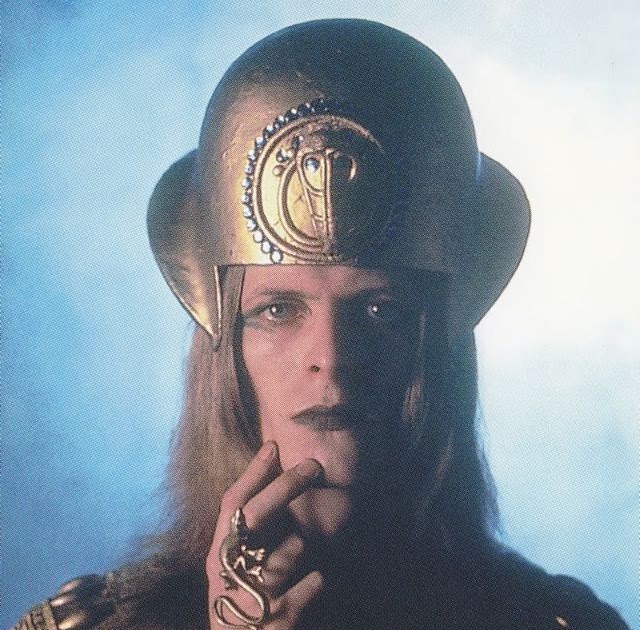 The Sphinx Series, often referred to as the ‘Hunky Dory Sphinx’ sessions, represents a pivotal moment in David Bowie’s career, marking his transition from a folk-rock singer to a global superstar. Photographed by Brian Ward in 1971 at his London studio on Heddon Street, these images captured Bowie in a state of high-fashion androgyny that would define the Hunky Dory era. During this period, Bowie was deeply engaged in recording his album Hunky Dory, experimenting with his image to move away from his late 1960s ‘curly-haired mod’ look toward a more ethereal, gender-fluid aesthetic. The series features Bowie with long, flowing strawberry-blonde hair, wearing a floral ‘man-dress’ designed by Michael Fish, which he also wore on the cover of The Man Who Sold the World. The name ‘Sphinx Series’ originates from Bowie’s rigid, symmetrical posing, sitting on the floor with legs tucked and a piercing gaze directed at the camera. While Ward’s photos were the primary source material, the final Hunky Dory cover was a hand-colored version of a specific portrait inspired by Greta Garbo, rather than the full Sphinx-style body shots. These photos are celebrated for bridging the gap between rock music and high-concept performance art, showcasing Bowie’s mastery of the staged persona. Brian Ward also photographed the iconic Ziggy Stardust cover months later on the same street, further cementing his role in Bowie’s visual evolution.