
Parsifal, Wagner’s Legacy, and the Struggle for Artistic Control from Bayreuth to Glyndebourne
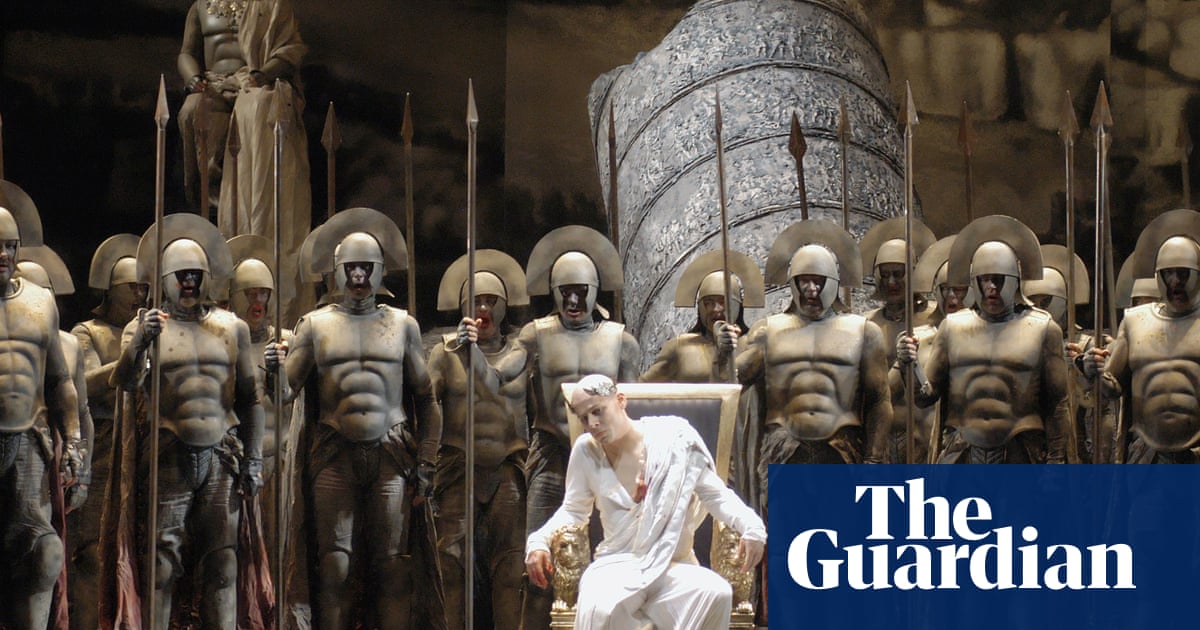
The article explores the complex history and legacy of Richard Wagner’s final opera, Parsifal, focusing on its exclusive association with the Bayreuth Festival and the Wagner family’s efforts to maintain control over its performances. When Glyndebourne, Britain’s renowned country house opera festival, stages Parsifal for the first time in 2025, it fulfills the long-held wish of its founder, John Christie, who was deeply influenced by Wagner. However, Wagner’s widow, Cosima, fiercely protected Parsifal’s exclusivity, seeing it as a sacred work that should only be performed at Bayreuth, as Wagner intended. Cosima’s determination led her to lobby for copyright extensions and even propose special laws to keep Parsifal out of the public domain, but these efforts ultimately failed. After Wagner’s music entered the public domain in 1913, Parsifal was staged worldwide, despite the family’s objections. The article also addresses the controversies surrounding Wagner’s antisemitism, the role of conductor Hermann Levi (a rabbi’s son), and how Parsifal’s staging evolved from religious ritual to more human-centered interpretations. Modern productions, such as those at Glyndebourne and Longborough, reinterpret Parsifal and Wagner’s legacy, questioning the cult-like reverence fostered by Cosima and exploring the opera’s place in contemporary culture. The article concludes by highlighting the ongoing challenge of separating Wagner’s artistic achievements from the problematic ideology and mythos that have grown around his works.