
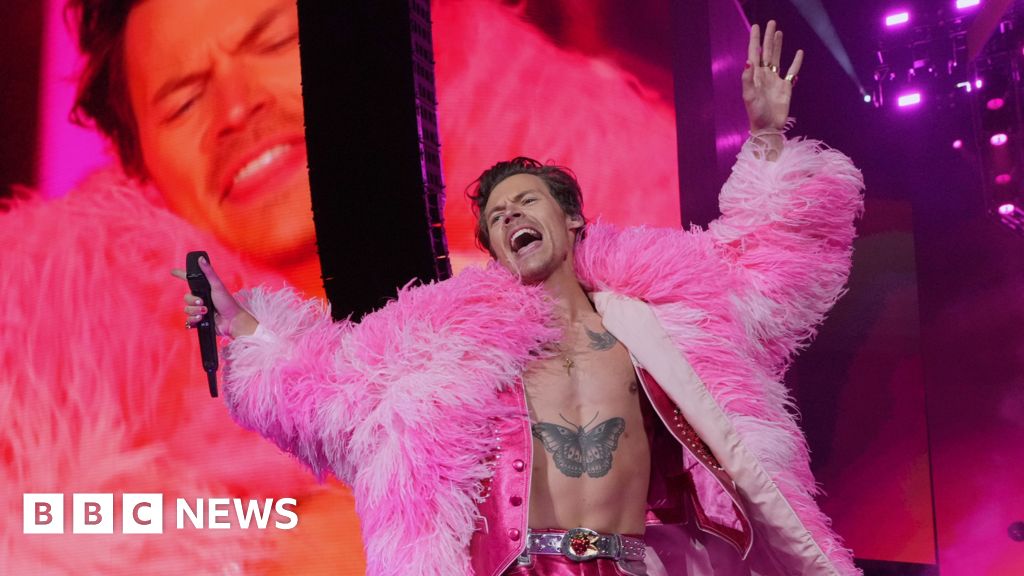
Harry Styles’ 2026 tour highlights the shift toward multi-night residencies in fewer cities
Harry Styles’ upcoming 2026 Together, Together tour has sparked debate among fans and industry observers because it departs from the traditional idea of a global tour. Although the singer has announced 67 shows, they are concentrated in just seven cities across six countries, with extended residencies including 12 nights in London, 10 in Amsterdam and 30 in New York City. At Wembley Stadium alone, Styles will surpass artists such as Coldplay and Taylor Swift for the most performances at the venue in a single year.
For fans, this approach has mixed consequences. While some are thrilled by the scale and production of the shows, others say the financial burden has increased significantly. Travel, accommodation and time off work can far exceed the cost of tickets, leading some fans to return home immediately after concerts or miss parts of shows to catch late trains. Others embrace the trend, turning concerts into mini-holidays and planning multi-day trips around performances.
Industry experts say Styles’ tour reflects a broader shift in live music. Rising production costs, complex stage designs and the physical demands of constant travel are pushing artists to perform more nights in fewer locations. Longer stays in one city reduce transport expenses, ease scheduling for crews and make it simpler to secure high-profile support acts. This model has also encouraged “gig tourism,” with fans travelling domestically and internationally to attend shows, often choosing concerts over traditional vacations.
Data from accommodation platforms and promoters supports this trend, showing sharp increases in hotel and short-term rental searches around major tour dates. However, analysts note that this strategy is only viable for top-tier artists with a guaranteed global fanbase. While many fans remain willing to pay the extra costs to see Styles live, others acknowledge that the model risks excluding those who cannot afford the associated travel expenses, raising questions about accessibility in the future of live music.