
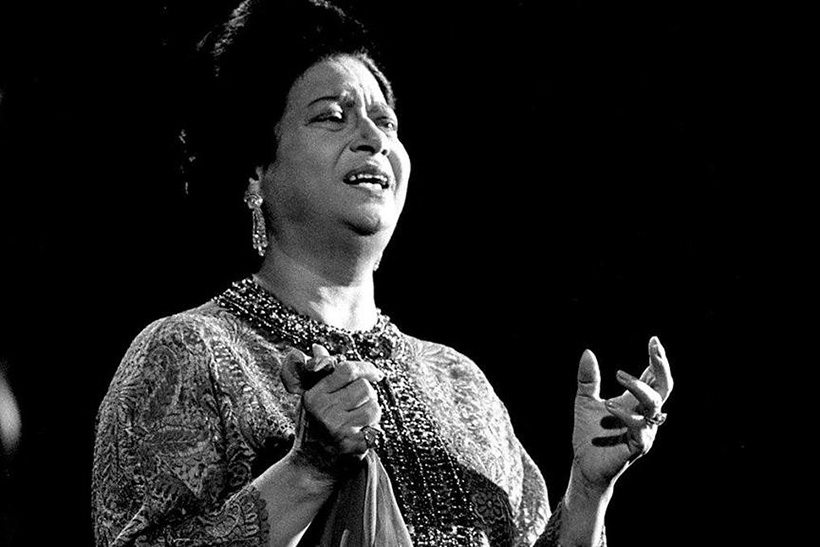
A Deep Dive into Om Kalsoum’s ‘Al Atlal’ and its Cultural Impact
In the 20th century, radio waves connected distant lands and people, bringing diverse musical cultures to homes across the Mediterranean. One such cultural icon is Om Kalsoum, a revered Egyptian singer whose voice became a symbol of Arab musical tradition. Her song ‘Al Atlal’, written by Ibrahim Nagi and composed by Riad El Sonbaty, is a timeless expression of love and loss. Originally performed in 1966, the song’s poetic lyrics are a lament for a lost love, resonating with listeners not just for their emotional depth, but for their cultural and political significance. The song was notably reinterpreted after the 1967 Arab defeat in the Six-Day War, as it was embraced as a patriotic anthem. Om Kalsoum’s live performances were legendary, often lasting hours, unlike her Western counterparts. Her impact on Arab music and culture is undeniable, with millions of records sold worldwide. In this article, the author highlights the enduring beauty of ‘Al Atlal’, examining its lyrical content, the musical mastery behind it, and its broader cultural implications. The piece also reflects on Om Kalsoum’s legacy as a cultural ambassador, transcending political and geographic boundaries.