
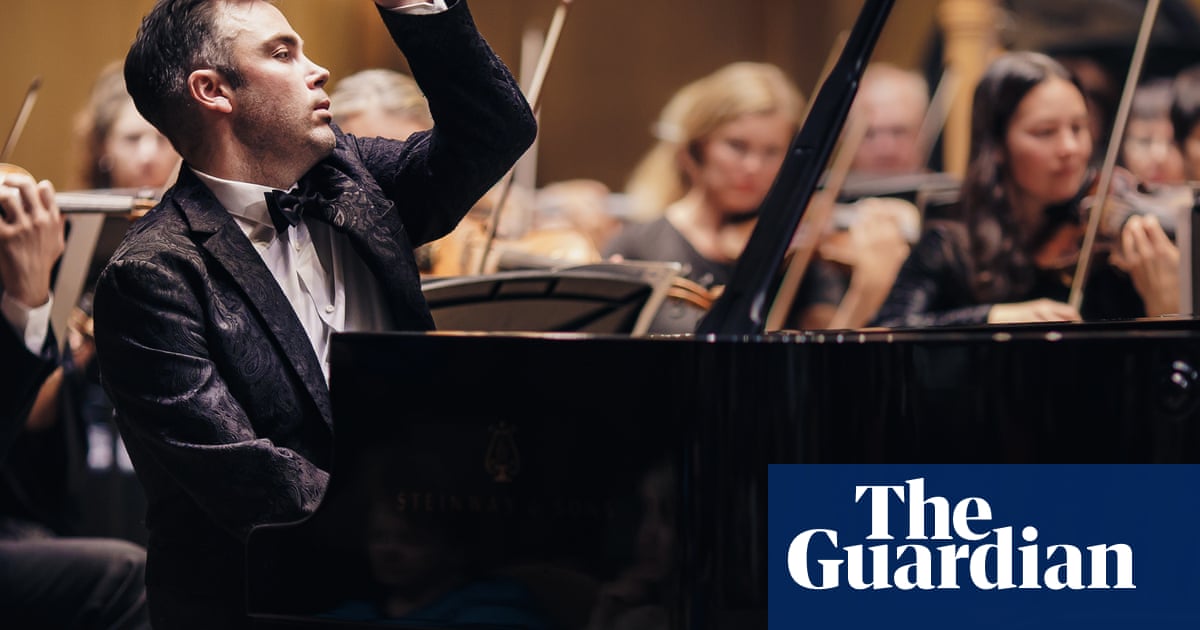
The Legacy of One-Handed Piano Music: How Paul Wittgenstein Transformed the Genre
After losing his right arm in World War I, pianist Paul Wittgenstein reinvented himself as a one-handed pianist, commissioning remarkable works from some of the 20th century’s greatest composers. His journey began in a Siberian prisoner-of-war camp, where he practiced piano using his left hand on a makeshift keyboard. Upon returning to Vienna, Wittgenstein used his wealth and status to commission major composers like Prokofiev, Strauss, and Ravel to create pieces specifically for his left hand. One of the most famous results of this effort is Maurice Ravel’s ‘Piano Concerto for the Left Hand,’ a work that pushes the boundaries of orchestration and technique. Wittgenstein’s drive and resilience not only allowed him to maintain a career in music despite his disability but also ensured that one-handed piano music became a notable part of the classical repertoire. Today, pianists continue to perform and expand on this unique genre, with Wittgenstein’s legacy still inspiring artists like the author, who aims to keep the tradition alive through performances at the Proms.