
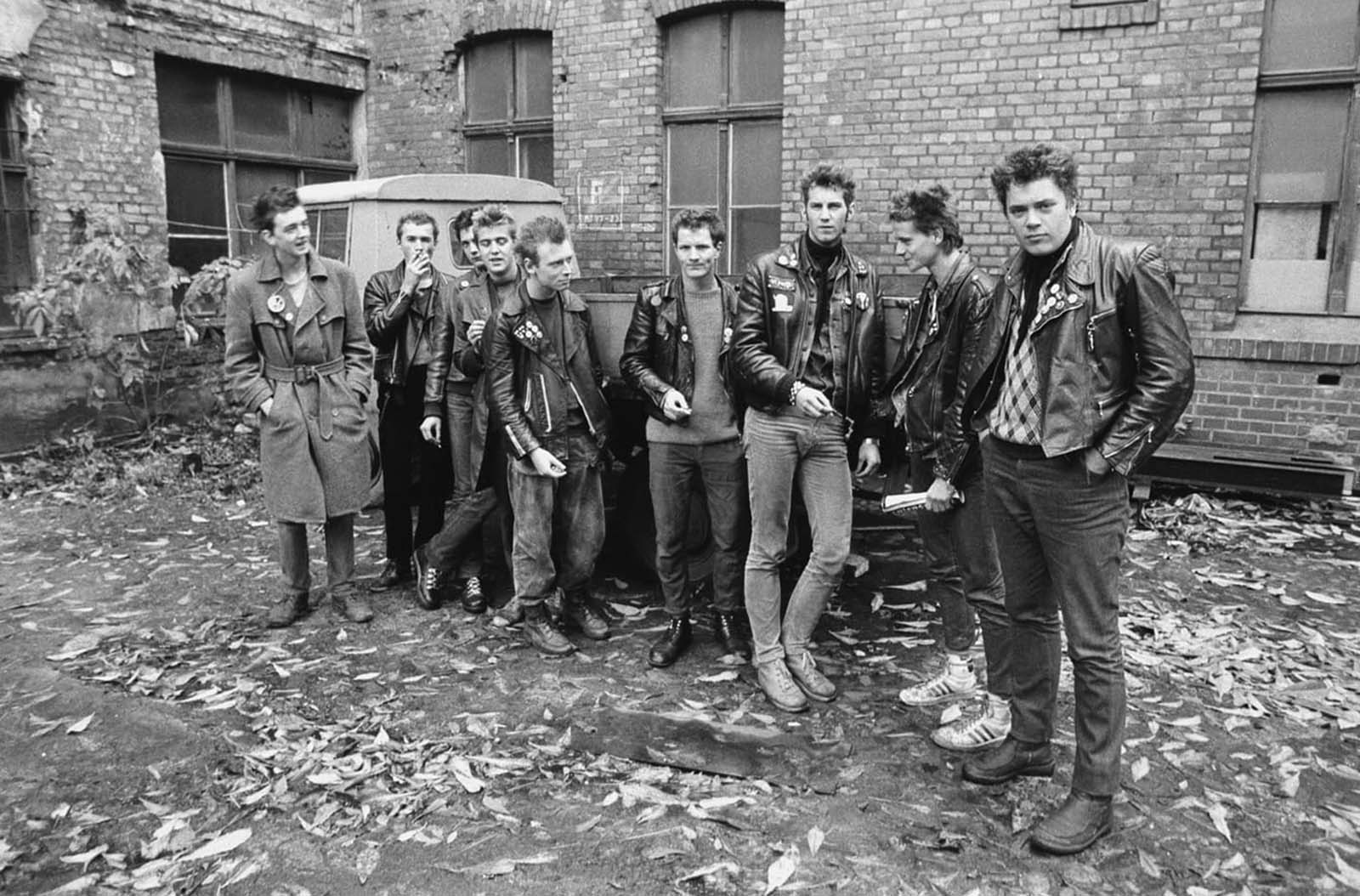
Inside East Germany’s Underground Punk Scene of the 1980s
 In the 1980s, under the strict surveillance of East Germany’s communist government, a vibrant underground punk scene emerged as a form of cultural rebellion. Young people, often meeting in basements, abandoned factories, and church halls, used music, fashion, and DIY ethics to assert individuality and resist state control. Punks embraced ripped clothing, spiked hair, and homemade accessories, creating a distinctive style despite limited access to Western fashion. Bands like Schleim-Keim, Rosa Extra, Feeling B, and Die Skeptiker became symbols of defiance, producing music secretly and sometimes gaining limited state approval through ‘amateur licenses’. The Stasi closely monitored these communities, viewing punk as a political threat; young participants risked school exclusion, unemployment, and even re-education. Despite repression, the movement persisted, fostering a strong sense of community and authenticity. Smuggled tapes, shortwave radios, and personal networks allowed these ideas and music to circulate. By the late 1980s, as the GDR faced its final years, the scene grew more visible and influential, contributing to the cultural shifts that followed the fall of the Berlin Wall in 1989.