
Exploring Australia’s Oldest Playable Musical Instruments: From Yidaki to Historic European Bass
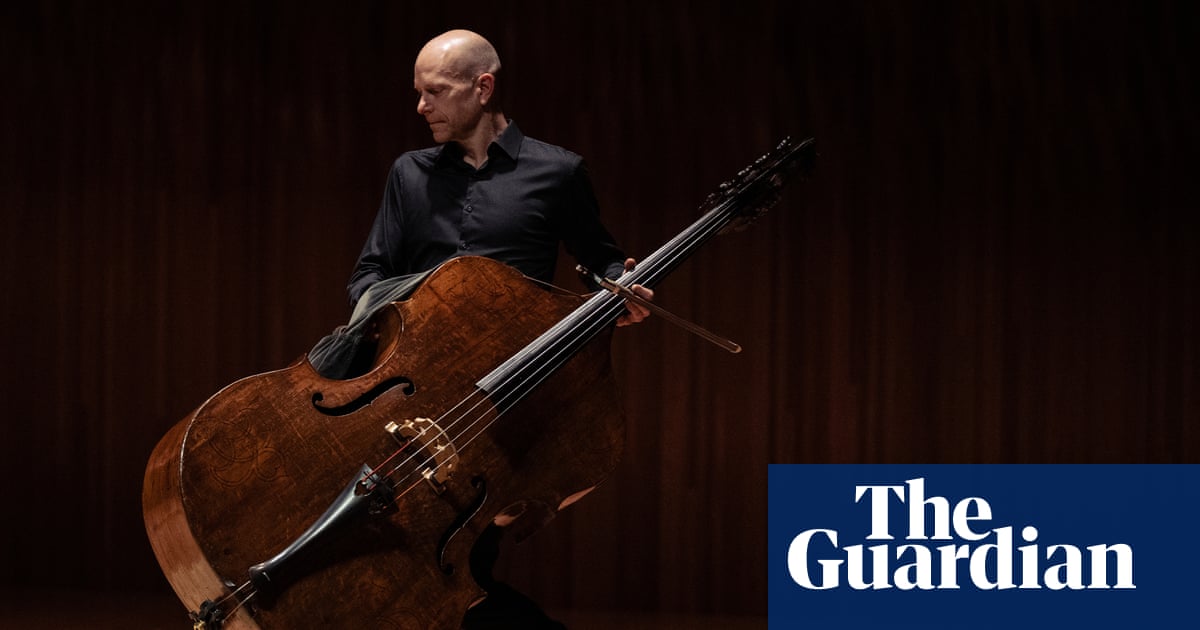
 Australia’s musical history includes instruments that predate European colonisation, with some still playable today. Among the oldest is a yidaki, sacred to the Yolŋgu people, restored for an exhibition at the South Australian Museum. Made around 1890, the yidaki required careful rehydration to become playable again, reflecting the cultural practice of keeping the wood moist. Larry Gurruwiwi, a master yidaki player and custodian, highlighted the spiritual differences between playing older instruments and ones he crafted himself. European instruments also arrived early, including a 1780 square piano brought on the First Fleet, now held in Western Australia. Another notable instrument is a 16th-century double bass by Gasparo da Salò, acquired by the Australian Chamber Orchestra’s principal bassist, Max Bibeau. Its wood dates back to a tree from 1266, and after restoration and extensive playing, its sound continues to improve. Queensland Museum houses one of the oldest instruments in the country, an ocarina from Colombia circa AD 1200, which remains fragile but playable. These instruments demonstrate both historical continuity and the importance of active engagement to preserve musical heritage.