
Ten Landmark Film Scores That Transformed Cinema Music
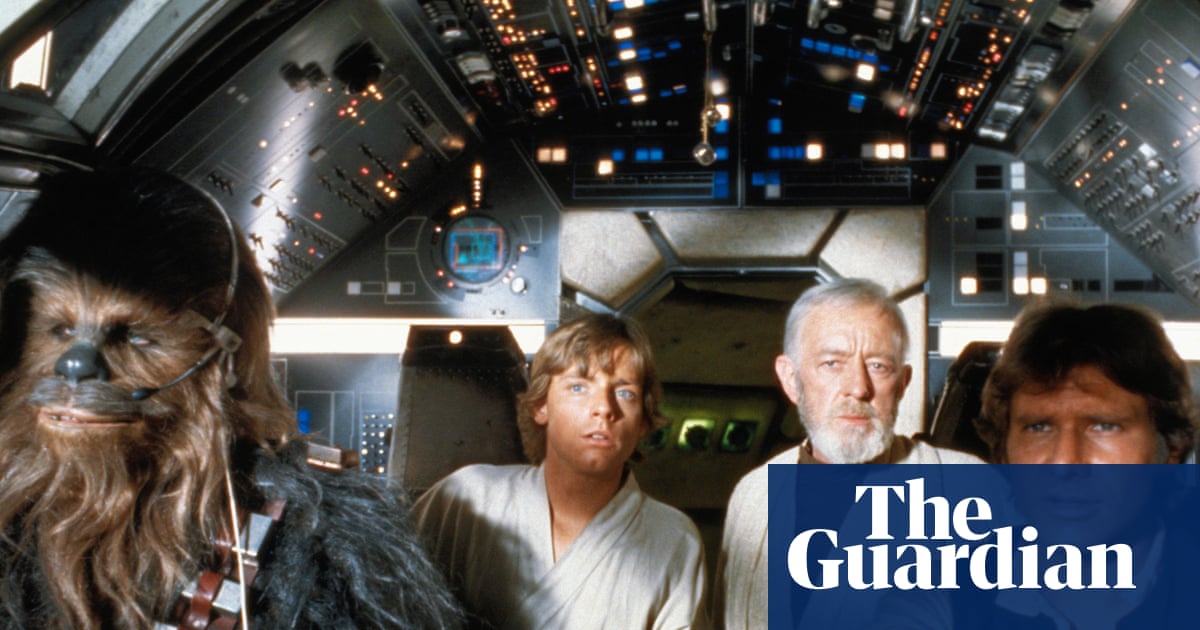
 This Guardian article explores ten pivotal film soundtracks that have redefined the role of music in cinema, tracing the artform’s evolution from the silent era to modern Hollywood. It begins with the live accompaniment that shaped early films and the technological leap of synchronised sound, exemplified by Don Juan (1926) and The Jazz Singer (1927). FW Murnau’s Sunrise (1927) marked a milestone by optically printing sound directly onto film, making recorded music part of the cinematic experience. Max Steiner’s King Kong (1933) established the orchestral grammar of film scoring, while Bernard Herrmann’s Citizen Kane (1941) created a unique, moody sound world that rejected Hollywood’s sentimental norm. The 1950s saw upheaval with Blackboard Jungle (1955), which introduced rock’n’roll to the big screen, and Forbidden Planet (1956), the first entirely electronic score by Louis and Bebe Barron. Henry Mancini reshaped popular film music with his fusion of jazz and orchestral writing in Breakfast at Tiffany’s (1961). Stanley Kubrick’s 2001: A Space Odyssey (1968) revolutionised soundtrack choices by curating classical works instead of original composition. George Lucas’s American Graffiti (1973) embedded popular songs within narrative life, while his later Star Wars (1977), via John Williams’s grand symphonic style, revived orchestral scoring. Finally, Hans Zimmer’s Crimson Tide (1995) fused electronic textures with orchestral drama, reinventing the sound of modern Hollywood. Together, these films chart how innovation, technology, and cultural change continually shape the way music brings the moving image to life.