
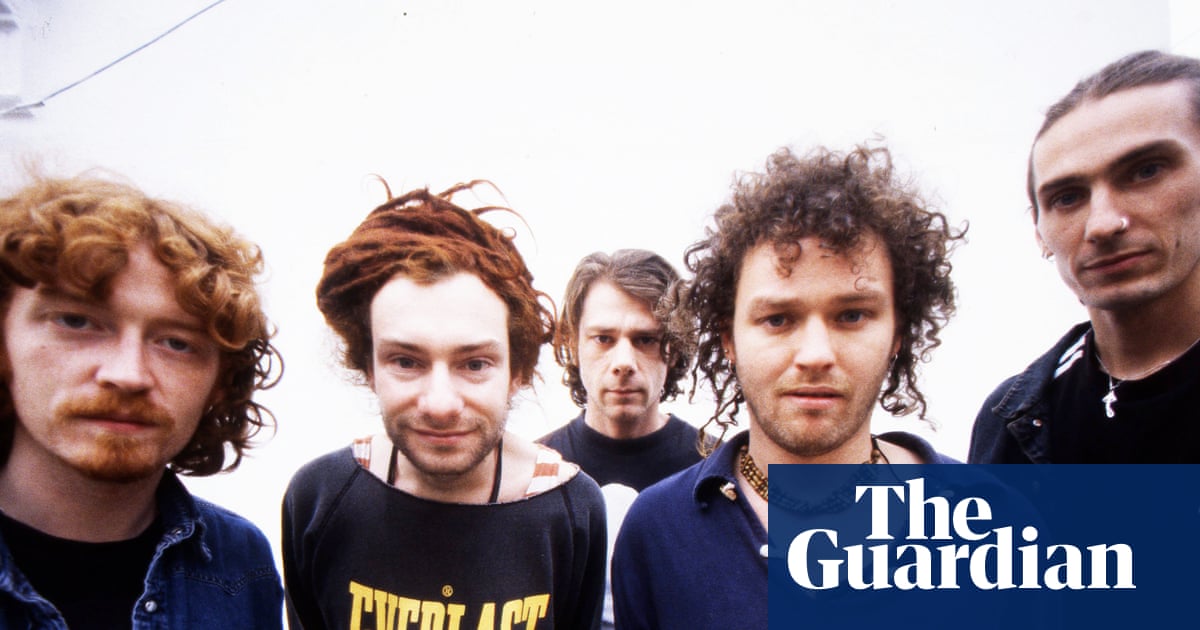
The making of ‘What a Beautiful Day’ by the Levellers and its unexpected radio ban following Princess Diana’s death
 The Levellers’ song What a Beautiful Day, written by vocalist and guitarist Mark Chadwick, emerged in late 1996 during a period of political transition in the UK. Chadwick describes the track as layered in meaning: on the surface it presents an uplifting tone, but beneath it carries subversive ideas about revolution and political change. Written at a time when the Conservative government was coming to an end and Tony Blair’s Labour victory felt imminent, the song reflected a broader sense of optimism in global politics, including the end of apartheid and reduced Cold War tensions.
Chadwick explains that the lyrics came together quickly, inspired by Bonfire Night traditions in Lewes, Cuba, and references to figures such as Che Guevara, Audrey Hepburn and Errol Flynn. Despite its rapid creation and catchy structure, he initially doubted its quality, even suggesting it sounded too obvious and commercially accessible. However, band members encouraged its inclusion, with bassist Jeremy Cunningham proposing structural changes that helped shape the final arrangement.
Recorded live to capture the band’s energy, the track features a driving rhythm and violin lines that give it a rallying, anthemic feel. Although the song was initially seen as having strong commercial potential, its radio presence was unexpectedly affected by external events. Following the death of Princess Diana in 1997, radio stations removed many upbeat tracks from rotation, including What a Beautiful Day, which stalled at number 13 in the charts.
Despite this setback, the song went on to become one of the Levellers’ defining tracks and even lent its name to their festival. Looking back, Chadwick reflects on its enduring relevance and suggests that its message today is less about revolution and more about fostering kindness and optimism in society.