
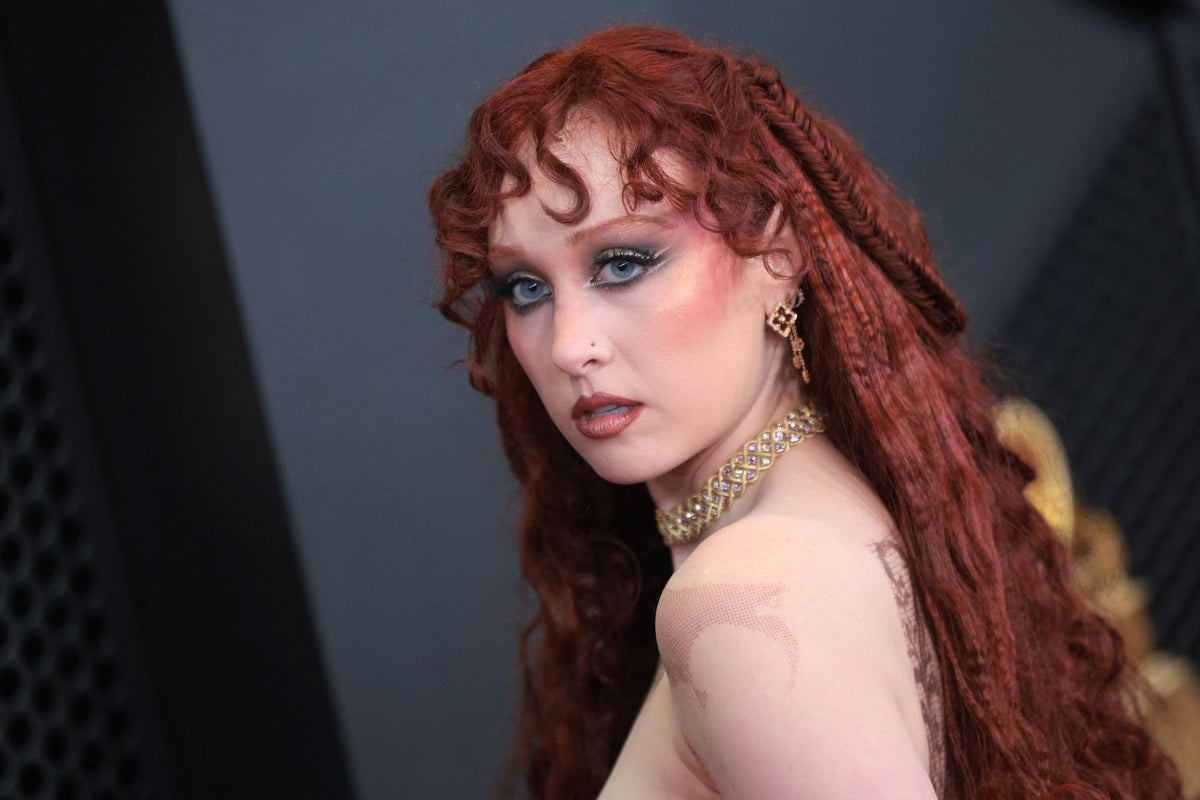
Report finds online backlash against Chappell Roan amplified by automated accounts
 A new analysis suggests that much of the online outrage aimed at American pop singer Chappell Roan over an alleged incident involving her supposed bodyguard and an 11-year-old fan was driven by automated social media activity. The controversy began when Brazilian footballer Jorginho claimed that a man acting as Roan’s security guard intimidated his wife, singer Catherine Harding, and Harding’s daughter from actor Jude Law, during a meeting at their hotel in Brazil. Jorginho alleged that his daughter had only smiled at Roan during breakfast at their shared hotel when a bodyguard aggressively confronted them, leaving the child in tears. He later criticised Roan publicly, accusing her of neglecting her fans.
However, Roan firmly denied that the man worked for her, stating that she had no knowledge of the exchange. The bodyguard in question, Pascal Duvier, took full responsibility, explaining that he had been working for another client at the time and that Roan had no involvement. He said his actions were based on prior security concerns and that the situation was “regretful.”
Research by AI-driven behaviour analysis firm Gudea reviewed more than 100,000 posts about the matter across multiple platforms. It found that over 4 per cent came from atypical users – a group that generated nearly a quarter of all posts. These accounts displayed suspiciously automated patterns, suggesting that much of the criticism and misinformation targeting Roan had been amplified by bots. The report noted that legitimate debate about fame and fan boundaries was “blurred” by coordinated misinformation and satire that spread online.