
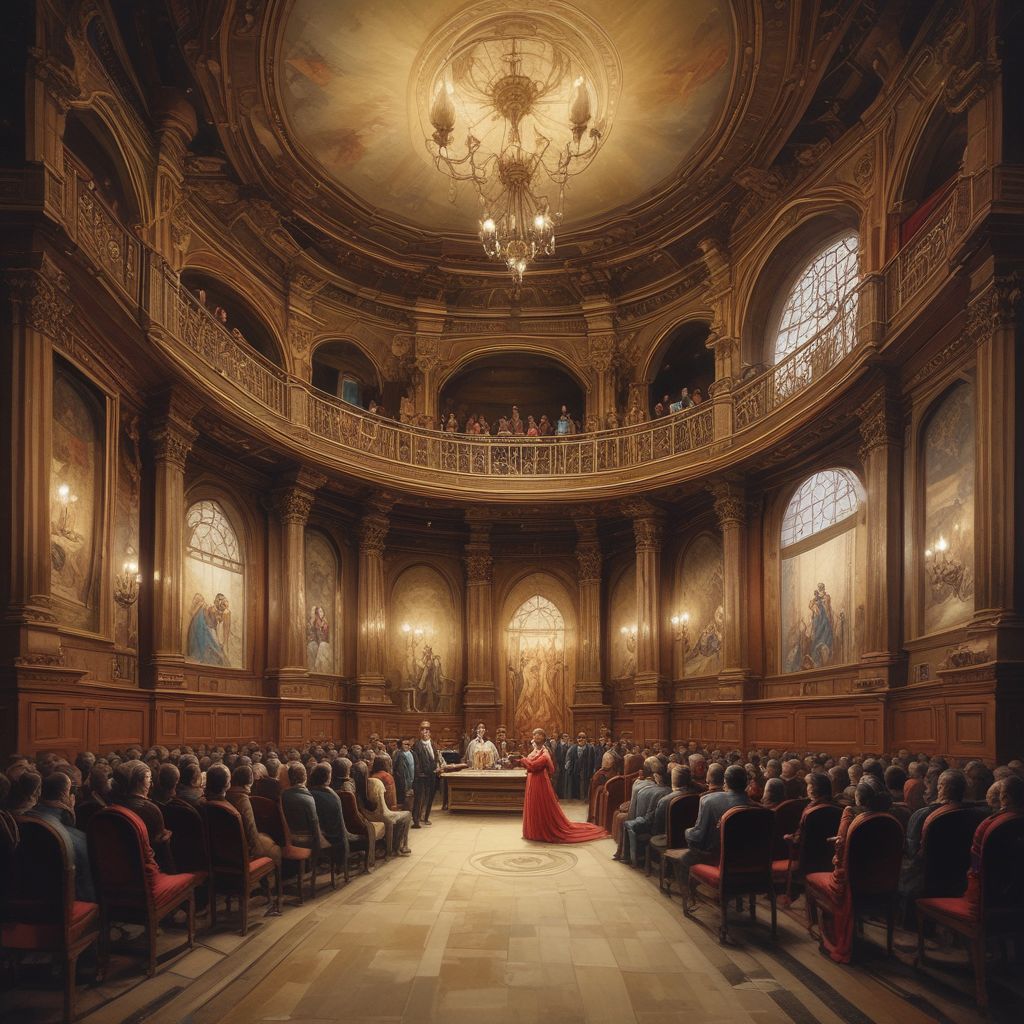
German Opera Houses Adapt to Shifting Cultural and Economic Realities
German opera houses, long considered pillars of the country’s rich cultural tradition, are currently facing a series of modern challenges that are forcing them to adapt. The article explores how these institutions are grappling with declining audiences, financial pressures, and the need to remain relevant in a rapidly changing society. Many opera houses are experimenting with new programming, outreach initiatives, and collaborations to attract younger and more diverse audiences. At the same time, they are contending with budget cuts and debates about public funding for the arts. Directors and artists are rethinking traditional repertoires, introducing contemporary works, and leveraging digital platforms to expand their reach. The article highlights specific examples of innovative productions and the creative strategies being employed to ensure the survival and continued influence of opera in Germany. Despite the difficulties, there is a strong commitment among cultural leaders to preserve the art form’s legacy while making it accessible and meaningful for future generations. The piece concludes by emphasizing the resilience of German opera and the ongoing efforts to balance artistic excellence with social and economic realities.