
Expert Insights: What Makes a Eurovision Song Contest Winner
The Eurovision Song Contest, watched by around 163 million people last year, is famous for its diverse musical styles and memorable performances. According to forensic musicologist Joe Bennett, successful Eurovision entries generally fall into two musical categories: energetic ‘Euro-bangers’ with fast tempos and synth-heavy production, and slow, emotional ballads. Lyrically, most songs focus on themes like love, unity, empowerment, partying, history, or music itself, with empowering songs often performing well.
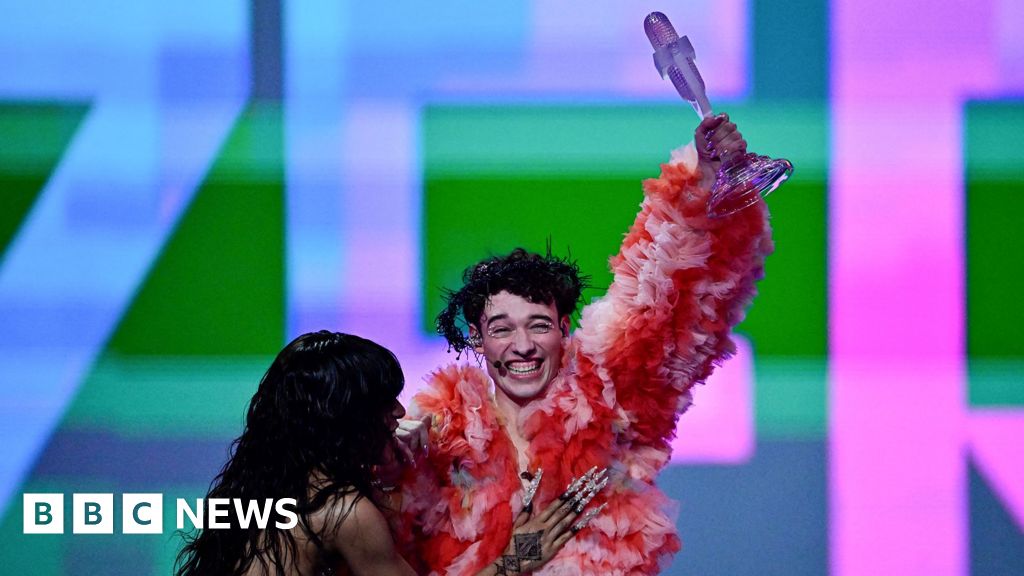
Experts emphasize the importance of simple yet effective staging, as straightforward performances are more memorable and impactful than overly elaborate productions. Unique acts that embrace individuality and diversity, such as Conchita Wurst’s 2014 win as a bearded drag queen, tend to resonate with Eurovision audiences, especially when backed by strong vocal performances.
Musically, minor keys have dominated recent contests, conveying emotional depth, though only two major-key songs have won in the past 20 years. Catchy melodies, accessible choruses, and memorable hooks are essential. While repetition helps songs stick in the mind, introducing musical or visual surprises-such as key changes or costume reveals-can make a performance stand out. However, no song with a final chorus key change has won since 2007. Ultimately, the winning formula combines a strong melody, relatable themes, effective staging, and a touch of originality.