
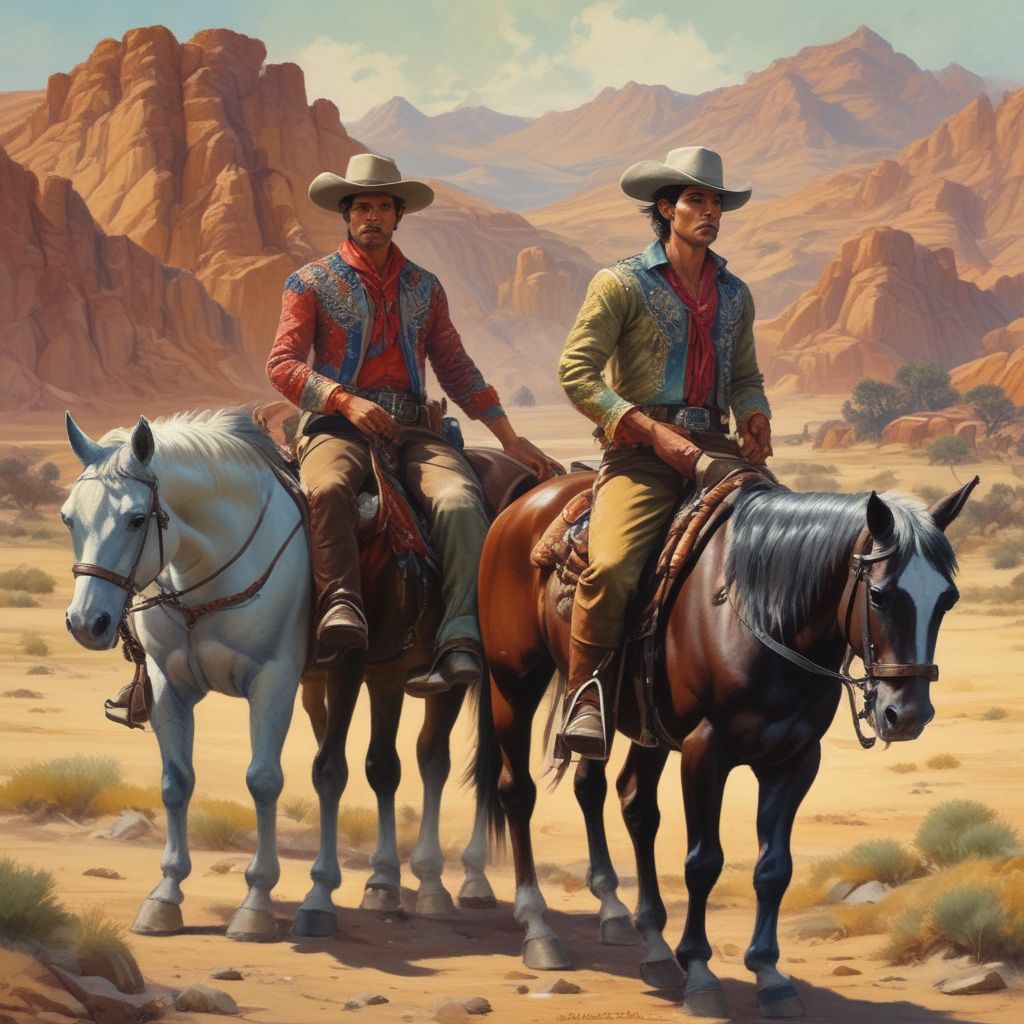
Exploring the Intersection of Queer Identity and Country Music
Country music has long been associated with conservative values, stereotypically featuring tough, macho cowboys who embody rugged individualism, patriotism, and rigid gender norms. However, these images of the cowboy as a symbol of masculinity are largely a Hollywood myth. The reality, as seen in early literature and poetry, presents a more nuanced view of cowboys as emotionally connected men, living in remote, harsh conditions where bonds of camaraderie and affection were commonplace. Some 19th-century works even suggested homoerotic relationships, which, although often not explicitly stated, fit within the context of a male-dominated environment. While the traditional image of the cowboy has persisted in popular culture, its intersection with LGBTQ+ identity has slowly been recognized, particularly in country music. Queer country music emerged as an act of rebellion against the status quo, much like the cowboy defending his traditional way of life. The genre has evolved, with artists like Lavender Country (the first queer country band) and Orville Peck challenging the boundaries of country music. The genre’s evolution showcases a shift toward inclusivity, with modern queer country artists gaining visibility and pushing the genre to embrace diverse narratives. Though country music remains deeply rooted in its conservative past, new voices are reimagining its potential, and queer artists are becoming central to this transformation.