
William Basinski and Anohni Reflect on The Disintegration Loops and Its Enduring Connection to 9/11
The article revisits the creation and legacy of The Disintegration Loops, the landmark experimental work by composer William Basinski, and its profound association with the September 11, 2001 attacks. In the summer of 2001, Basinski began digitising old tape recordings he had made in the early 1980s from shortwave radio broadcasts. As the tapes played, they physically deteriorated, shedding iron oxide and causing the music to slowly decay into silence. Recognising the unintended beauty of this process, Basinski recorded the gradual collapse of the loops over extended durations.
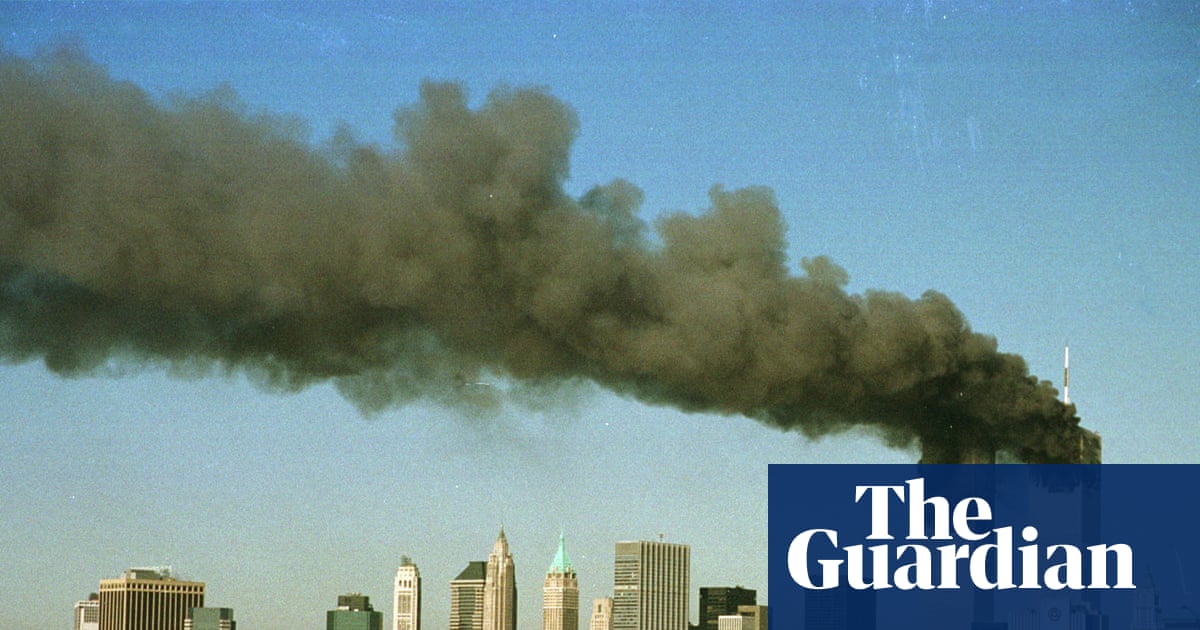
Two months later, he watched the destruction of the World Trade Center from the rooftop of his Williamsburg home while playing the newly created recordings. In that moment, he understood the music had taken on new meaning, becoming an elegy for a world irrevocably changed. First released in 2002, The Disintegration Loops has since been regarded as one of the most significant musical works of the 21st century.
The piece’s resonance was amplified through Basinski’s close friendship and artistic collaboration with Anohni, who frequently performed at his avant-garde space, Arcadia, in 1990s New York. Both artists reflect on how their experiences during the Aids crisis and within the queer community shaped their understanding of collective trauma, influencing how they processed 9/11. They describe the work not simply as a response to a singular event, but as an expression of broader cultural, political and ecological decline.
Over the years, the composition has been performed at memorial events, including a 10th anniversary concert at the Metropolitan Museum of Art. For Basinski and Anohni, the music endures as a contemplative space for grief, empathy and shared human vulnerability, continuing to speak to audiences confronting uncertainty and global instability.