
Woodstock 1999: A Symbol of Disillusionment and Chaos
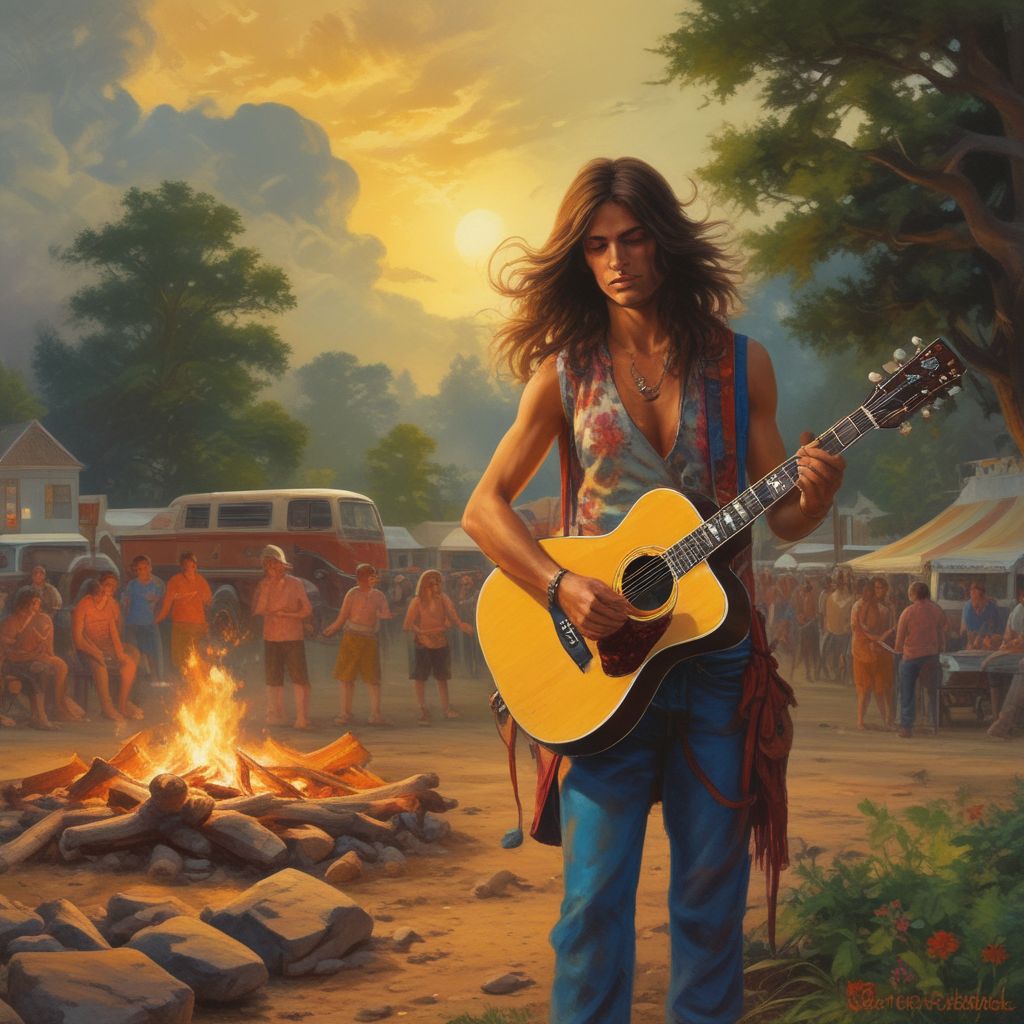
Woodstock 1969, an iconic event in American history, represented a cultural breakthrough that encapsulated the ideals of the 1960s counterculture. It was a moment where freedom, creativity, and rebellion came together, with rock stars like Jimi Hendrix embodying the era’s revolutionary spirit. Fast forward to 1999, the revival of Woodstock aimed to capture that same rebellious energy. However, the 1999 edition quickly spiraled into chaos. The event, relocated to Griffiss Air Force Base, lacked basic infrastructure and failed to address weather warnings, resulting in a hazardous environment for the over 350,000 attendees. The absence of basic amenities like sufficient shade, clean water, and sanitation led to a nightmarish situation, with violence and unrest escalating throughout the weekend. Amidst this mayhem, Fred Durst, lead singer of Limp Bizkit, became an unlikely figure of rebellion, embodying the disillusionment of the generation. Unlike the spiritual leaders of 1969, Durst was more a provocateur, and his performance seemed to fuel the growing violence. This article delves into how Woodstock 1999 shifted from a symbol of cultural hope to a chaotic disaster, highlighting the stark contrast between the idealism of 1969 and the nihilism of the late 90s. Ultimately, it reflects the societal disillusionment of the time, where the once-revolutionary flame of Woodstock had been reduced to a hollow, destructive spectacle.