
The Economics of Modern Music Megatours
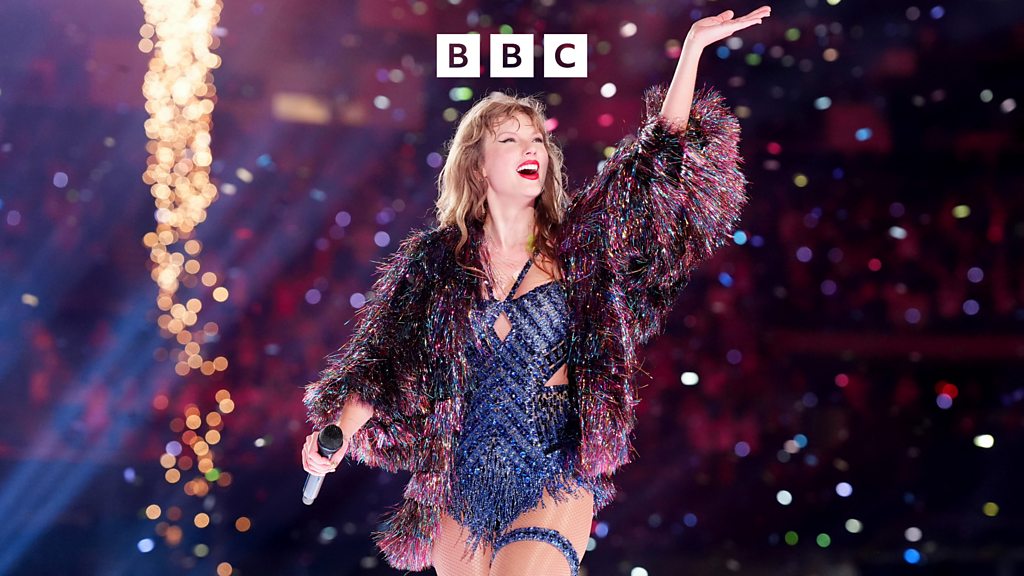
Taylor Swift’s Eras Tour set new benchmarks as the highest-grossing concert tour ever, reshaping the live music industry and highlighting a shift from record sales to touring revenue. With streaming services dominating music consumption, artists now rely heavily on live performances for financial success, as these events offer exclusivity that digital platforms cannot replicate. Producing such massive shows demands substantial upfront investments in technology, staging, and logistics, creating high barriers to entry but also massive potential returns. Demand driven by fervent fanbases, combined with limited ticket availability, has driven up prices significantly, turning tours into billion-dollar enterprises. Presenter Tanya Beckett delves into this phenomenon on BBC’s The Inquiry, examining how technology enhances production quality, fandom amplifies hype through social media, and economic factors like scarcity economics boost profitability. Contributors include Kevin Kim from Route Note in Seoul, who discusses Asian market dynamics; Serona Elton, a professor at the University of Miami’s Frost School of Music, offering insights on industry trends; Adam Behr from Newcastle University, analyzing cultural shifts; and Poppy Reid, an Australian music journalist. The episode aired on January 1, 2026, lasting 23 minutes, and remains available on BBC Sounds. This evolution underscores broader changes in entertainment economics, where live experiences command premium pricing amid digital abundance.